Exploring the Beauty and Diversity of Beach Tourism in Spain
From golden Mediterranean shores to rugged Atlantic cliffs, Spain has a beach for every traveler. Seriously – whether you’re after party vibes, family-friendly calm waters, or wild, untouched coastline, Spain’s got you covered. With over 8,000 kilometers of coastline and 300+ days of sunshine a year in many areas, it’s no wonder Spain’s beaches are legendary. Let me walk you through the best coastal spots and what makes each one special.
The Mediterranean Coast: Sun, Style, and Sophistication
The Mediterranean side of Spain is what most people picture – warm, clear blue water, beach clubs, and that classic sunny vacation vibe. But it’s way more diverse than you’d think.
Costa Brava (Catalonia)
Costa Brava means “Wild Coast,” and it lives up to the name with dramatic cliffs, hidden coves, and some of the most stunning turquoise water you’ll ever see. This is northern Catalonia, so it’s a bit cooler than southern Spain but still gorgeous.
Tossa de Mar has a medieval castle right on the beach – how cool is that? Calella de Palafrugell is this charming fishing village with white houses and little coves perfect for snorkeling. Cadaqués was Salvador Dalí’s favorite spot, and you can totally see why. It’s artsy, laid-back, and insanely photogenic.
Perfect for nature lovers who want beautiful scenery without the massive resort crowds. The water’s crystal clear, making it amazing for diving and swimming.
Costa Dorada (Tarragona)
Costa Dorada (“Golden Coast”) is all about long, sandy beaches and calm, shallow waters – basically heaven for families with little kids. The beaches here stretch for miles, and the water stays shallow for a while, so parents can actually relax.
Salou is the main resort town and it’s family-central. PortAventura World theme park is right here, which is a huge draw if you’ve got kids who need more than just sand and water. The area also has Roman ruins in Tarragona city, so you can mix beach time with culture if you want.
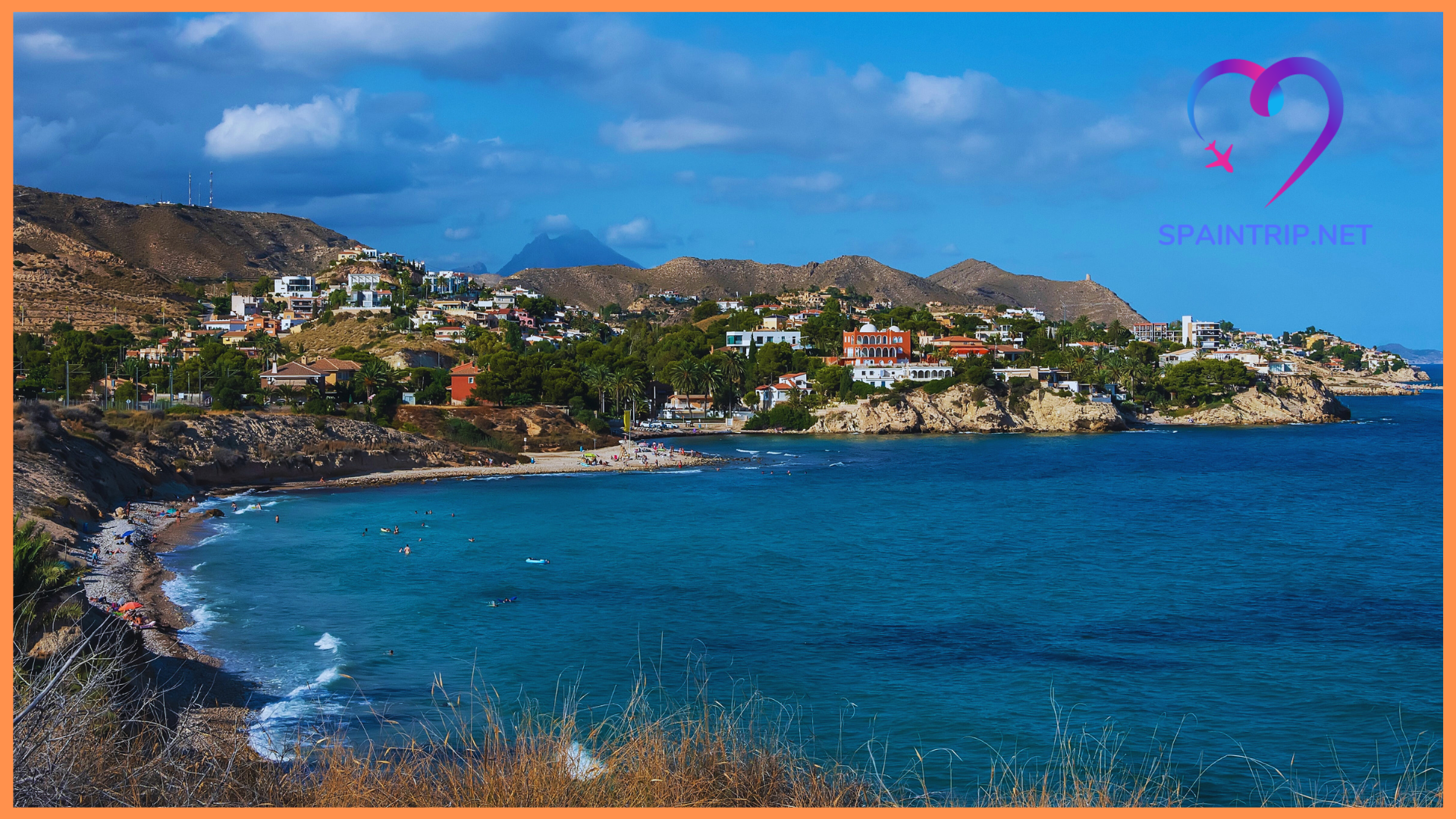
Costa Blanca (Alicante)
Costa Blanca (“White Coast”) has everything – sophisticated cities like Alicante, party towns like Benidorm, and gorgeous villages like Altea with its blue-domed church. The beaches here are fantastic, and the weather’s reliably sunny pretty much year-round.
Benidorm gets a bad rap for being overdeveloped, but honestly, if you want high-rise resorts, water parks, and constant entertainment, it delivers. Altea is the opposite – a beautiful old town on a hill with pebble beaches and a more refined vibe. There’s something for everyone along this coast.
The Southern Charm: The Costa del Sol
Costa del Sol (“Sun Coast”) in Andalusia is probably Spain’s most famous beach destination, and for good reason. It’s got 320+ days of sunshine annually, beautiful golden beaches, and that distinctive Andalusian character with whitewashed villages and amazing tapas culture.
Marbella is the fancy spot – beach clubs, luxury yachts, designer shopping. Puerto Banús marina is where the mega-rich park their boats. But there are also public beaches that don’t cost a fortune.
Málaga city is having a huge moment. It’s got excellent beaches right in the city, Picasso museums, incredible food, and it’s way more authentic than some of the resort towns. The beach scene here mixes locals and tourists, which gives it a better vibe.
Nerja is gorgeous with its dramatic cliffs and the famous Balcón de Europa viewpoint. The beaches here are a mix of sand and pebble, and the water’s crystal clear. There are also caves nearby that are worth visiting.
Why families and luxury travelers love Costa del Sol: it’s reliable. The weather’s predictable, the infrastructure is excellent, and there’s every type of accommodation from budget apartments to five-star resorts. You can’t really go wrong here.
The Atlantic Coast: Wild and Authentic Spain
Spain’s Atlantic coastline is totally different from the Mediterranean – cooler, windier, more dramatic, and way less developed. If you want to escape the crowds and experience a more rugged, authentic Spain, head west.
Costa de la Luz (Andalusia)
Costa de la Luz (“Coast of Light”) in southwestern Spain is stunning and surprisingly uncrowded. The beaches here are wide, windswept, and perfect for water sports.
Tarifa is the kite-surfing and windsurfing capital of Europe. The wind here is constant (it’s where the Mediterranean meets the Atlantic), and you’ll see hundreds of colorful kites in the sky. On clear days, you can literally see Morocco across the strait.
Cádiz has urban beaches that mix history with beach life. The old town is beautiful, and the beaches are right there. Bolonia Beach has Roman ruins practically on the sand – you can explore 2,000-year-old fish-salting factories after your swim.
Perfect for adventure seekers and people who want fewer tourists and more authentic Spanish culture.
Galicia’s Coastline
Up in Spain’s northwest corner, Galicia has some of the country’s most dramatic and beautiful coastline. It’s cooler and rainier than the south (think Northern California vibes), but the beaches are absolutely stunning.
Playa de las Catedrales (Cathedrals Beach) is famous for its natural rock arches that look like cathedral vaults. You can walk under them at low tide – it’s spectacular. You need to book a free ticket in summer since they limit visitors.
Costa da Morte (“Coast of Death”) sounds ominous, but it’s hauntingly beautiful with wild cliffs, lighthouses, and powerful waves. This is for people who love dramatic nature, not sunbathing.
The water’s colder here, but the scenery and the fresh seafood (Galicia’s known for octopus and shellfish) make it totally worth it.
Island Escapes: The Balearic and Canary Islands
Spain’s islands are in a league of their own. Each archipelago has its own personality and appeal.
Balearic Islands (Mallorca, Ibiza, Menorca, Formentera)
The Balearics sit off Spain’s eastern coast in the Mediterranean. They’re famous worldwide, but each island is completely different.
Ibiza is the party island – world-famous clubs, beach parties, and electronic music. But it also has beautiful quiet beaches on the north side if you want to escape the chaos. Cala Comte and Cala d’Hort have turquoise water that doesn’t look real.
Mallorca is the biggest and most diverse. The capital Palma is sophisticated with great restaurants and culture. The north coast has dramatic mountains meeting the sea. Es Trenc beach in the south looks like the Caribbean with white sand and clear water. There are hidden coves all around the island.
Menorca is the quiet one – fewer tourists, more nature reserves, and some of the most beautiful beaches in the Mediterranean. Cala Macarella and Cala Mitjana are postcard-perfect with white sand and pine trees.
Formentera is tiny and accessed only by boat from Ibiza. Ses Illetes beach is consistently rated one of Europe’s best – shallow turquoise water and white sand for days. It’s more laid-back and bohemian.
Activities include boat tours to hidden coves, snorkeling, paddleboarding, and cycling (especially in Menorca and Formentera). The Balearics have excellent family resorts too.
Canary Islands (Tenerife, Gran Canaria, Lanzarote, Fuerteventura)
The Canaries sit off Africa’s coast, which means year-round warm weather. Even in January, you can swim comfortably. They’re volcanic islands, so the landscapes are wild and unique.
Tenerife is the biggest and most popular. It’s got black sand beaches in the north, golden beaches in the south, and Mount Teide volcano in the middle. The south coast is where most tourists go for guaranteed sunshine. Playa de las Américas and Los Cristianos are resort towns with all the amenities.
Gran Canaria is diverse – massive sand dunes at Maspalomas (they look like the Sahara), lively beaches at Playa del Inglés, and charming villages in the interior mountains.
Lanzarote is the artistic island with black volcanic landscapes. Playa de Papagayo is a protected area with six gorgeous coves. The whole island feels otherworldly thanks to artist César Manrique’s influence on its development.
Fuerteventura is the surfer’s paradise with endless beaches and strong winds. It’s more laid-back and less developed. The sand here is partly made from crushed shells, giving it a beautiful golden-white color.
The Canaries are perfect for surfing, snorkeling, diving, and winter beach getaways when the rest of Europe is freezing.
Beach Activities for Every Traveler
Spain’s beaches aren’t just for lying around (though that’s totally valid too).
For Families: Look for beaches with shallow water, lifeguards, and nearby facilities. Many Spanish beaches have playgrounds right on the sand, beachside restaurants with high chairs, and calm waters perfect for kids. Costa Dorada and many Balearic beaches are ideal.
For Adventure Seekers: Surfing in Fuerteventura and northern Spain, kite-surfing in Tarifa, diving in Costa Brava, sailing around the Balearics, and paddleboarding pretty much everywhere. Spain’s diverse coastline means you can try different water sports in different regions.
For Relaxation Lovers: Beach clubs with loungers and cocktails (Costa del Sol and Ibiza do this well), yoga retreats on the coast, spa resorts overlooking the sea, and quiet coves where you can read a book undisturbed.
For Culture Buffs: Many beach towns have summer festivals, local markets, historic old quarters within walking distance of the beach, and that whole Mediterranean lifestyle to soak up.
Spanish Beach Culture and Gastronomy
Spanish beach culture is a whole vibe. Beach bars called chiringuitos serve fresh seafood, cold beer, and sometimes amazing paella right on the sand. These aren’t fancy – they’re often simple wooden structures, but the food can be incredible.
Fresh-caught fish grilled over charcoal, gambas al ajillo (garlic shrimp), calamari, sardines, and of course paella are beach classics. Many beaches have informal restaurants where locals eat, and that’s where you want to go for authentic food.
Sangria and tinto de verano (red wine with lemon soda) are the classic beach drinks. Spanish people eat late – lunch around 2-3 PM, so chiringuitos stay open all afternoon.
Summer brings beach festivals – everything from full moon parties to traditional celebrations. The atmosphere is social and inclusive. Spanish beach culture is about enjoying life, not rushing.
Best Times to Visit Spain’s Beaches
Summer (June-August): Peak season with hot weather, warm water, and maximum crowds. Great for the full beach experience with all services open, but expect higher prices and packed beaches in popular spots. Mediterranean water is warmest now.
Spring (April-May) and Fall (September-October): Sweet spot with warm weather, fewer tourists, and lower prices. The water’s still swimmable, especially in September. These are honestly the best times to visit if you can.
Winter (November-March): Mediterranean beaches are quiet and many services close, but it’s still pleasant for walks. The Canary Islands are perfect in winter – warm enough to swim while northern Europe is freezing. This is when Scandinavians and Germans flock there.
Travel tip: If visiting in summer, hit the beaches early morning or late afternoon. Midday is crowded and hottest. Also, look for beaches slightly outside main resort areas – often just as nice with half the people.
Sustainable and Eco-Friendly Beach Tourism
Spain takes beach quality seriously. Over 700 Spanish beaches have Blue Flag certification, meaning they meet strict environmental, safety, and accessibility standards. It’s a real point of pride.
Many regions are implementing eco-friendly initiatives – limiting development, protecting dune systems, and promoting responsible tourism. Some beaches ban single-use plastics and have excellent recycling programs.
As a visitor, respect the environment: don’t leave trash, use reef-safe sunscreen (some Spanish protected areas require it), stick to marked paths in dune areas, and support local businesses rather than international chains.
Some areas offer eco-resorts and sustainable accommodation options. Menorca was designated a UNESCO Biosphere Reserve, so sustainability is built into tourism there.
Find Your Perfect Spanish Beach
Spain’s coastline is ridiculously diverse. You’ve got Mediterranean glamour on Costa del Sol, wild Atlantic beauty in Galicia, family-friendly stretches in Costa Dorada, party vibes in Ibiza, volcanic landscapes in the Canaries, and hidden coves throughout. That’s before even mentioning the hundreds of smaller, lesser-known beaches.
The best part? Spanish beaches deliver on everything – clean water, beautiful scenery, excellent food, good infrastructure, and that sunny, relaxed lifestyle. Whether you’re seeking adventure, relaxation, family fun, or romance, there’s a Spanish beach with your name on it.
So what are you waiting for? Whether you seek adventure, relaxation, or romance – Spain’s beaches are waiting to welcome you. Pack that sunscreen, grab your flip-flops, and get ready to discover why Spain’s coastline keeps people coming back year after year.